Meta Muse and the Personal Agent Protocol
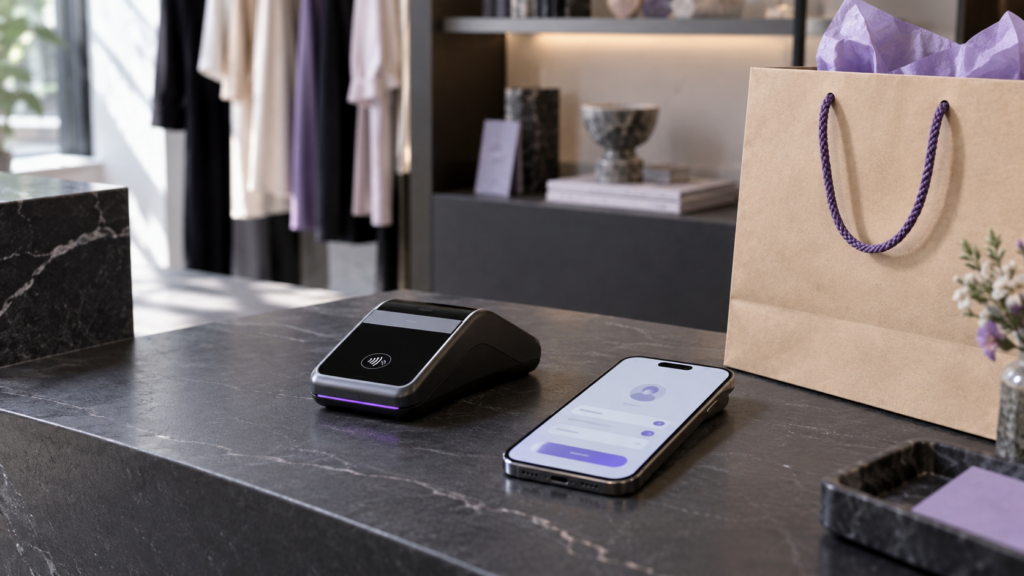
The Personal Agent Protocol is a proposed standard for interactions between personal AI agents and businesses. Sierra announced the initiative on October 6, 2026, with Meta, Shopify, Stripe, Walmart and other participants. It connects a consumer-agent story to the less visible work of defining safe business interfaces.
Event date: October 6, 2026 · Sources checked: October 7, 2026
What the Personal Agent Protocol proposes
Sierra describes a protocol in development that uses OAuth-based sessions and supports different levels of access. The aim is to let an agent work with business services under permissions defined by the user and the business. Participating organizations also include Genesys, Instinct and Rocket.
The proposal is not evidence that every named business already supports every agent workflow. A standard announcement, a published specification and a working integration are separate milestones. Developers should verify the current implementation before assuming a proposed flow is available.
Where Meta Muse fits
Meta’s September 29 announcement describes Muse for small-business workflows and a range of connected tools. It places the personal agent within a broader attempt to help users act across applications, rather than merely generate text.
This article does not repeat an App Store number-one claim or a pre-release sandbox-bug account because we could not establish those details from the sources reviewed. The confirmed story is the product’s announced integrations and the protocol initiative.
Personal Agent Protocol — xpu live analysis: permission should travel with the request
A shopping assistant can begin with a harmless product search and end with an action that changes an account or spends money. A useful integration needs to distinguish those stages. Read-only discovery, account access and transaction approval should be explicit parts of the experience.
A common protocol could reduce custom integration work, but only if implementations preserve those boundaries. Teams should test expired sessions, withdrawn permission and ambiguous requests. They should also make it easy to establish which business accepted an action and which user authorized it.
The next step to watch is inspectable specification and integration material. Our editorial view is that interoperability will be judged by working behavior, not the length of the participant list. A reliable agent-commerce workflow should leave an understandable record, allow permission to be revoked and keep high-impact decisions visible to the user.
Sources and further reading
- Sierra protocol announcement — October 6, 2026
- Meta Muse small-business announcement — September 29, 2026
Related on xpu live: API integration guide.